Some Thoughts on Co-Creation
Many aspects of our everyday existence can be seen as co-created between user/customer and service provider; I’ll admit to regular visits to Wikipedia, a website which is constantly updated and co-created through millions of armchair experts globally. Before it became so toxic as to become unusable, X (formerly Twitter), expected, indeed required, users to provide the content, which was then engaged with or repurposed by other users. We might relax of an evening by watching reality TV; co-created between audience and producer as we at home text in to decide who completes a bushtucker trial, gets evicted, or survives to dance the foxtrot next week.
My (perhaps controversial) point here is that co-creation in our everyday lives s normalised to the extent that it has become invisibilized. This is present in so many aspects within a capitalist system (with passive examples including, it could be argued, self-service checkouts in supermarkets).
Yet I would argue co-creation remains ‘radical’ or on the periphery of ‘mainstream’ performance because it is in many ways non or anti-capitalist – this is the way it is framed, positioned or even justified by those creative practitioners (sometimes including me) who work within it. Co-creation takes more time, something that capitalism teaches us to be sparing or frugal with.
These capitalist examples do rely however on the perpetuation of binaries; ‘producer’ with ‘consumer’, or ‘creator’ with ‘spectator’. Co-creation, I would argue, is in its purest form when rejecting these binaries and engaging in a creative process in which there is a more fluid and horizontal understanding of who is involved in a/the process, and for how long.
Cultural thinker François Matarasso speaks well to this, with points he makes about co-creation also being about the readdressing of historic cultural power imbalances:
‘Like industry, the public cultural sector is beginning to see that its future depends on developing a less hierarchical relationship with their customers. This is part of a historic realignment of culture power that has been gathering pace for decades, but it is not the issue today. What is important, in the context of co-creation, is how and how much power is ceded.’
It may be the case that there isn’t a ‘one size fits all’ method of achieving this ‘ceding’ of power, and each production, or even performance of that production, utilises different qualities, scales or parameters to make this happen.
Co-creation can (or should?) be seen as ‘Creation +’ or ‘Creation &.’
i.e., a more full, complete or better version of creation. From my own thinking and experiences, there are many concepts or terms that could come after the &/+ to ‘complete’ the ‘creation’ and turn it into ‘co-creation’. These could include, but are not limited to:
Care
Trust
Time
Patience
Listening
Anti-Capitalism
Equity
Dialogue
Self-empowerment
Solidarity (with those who experience different adversities)
I’m sure you can think up your own examples – perhaps this list is endless.
The ‘&/+’ system of inclusion is not alien to other aspects of performance and art; many arts consultancy organisations employ either the ‘&’ or ‘+’ in their title to signify the inclusion of others, who may change project by project, but whose inclusion is valuable and meaningful.
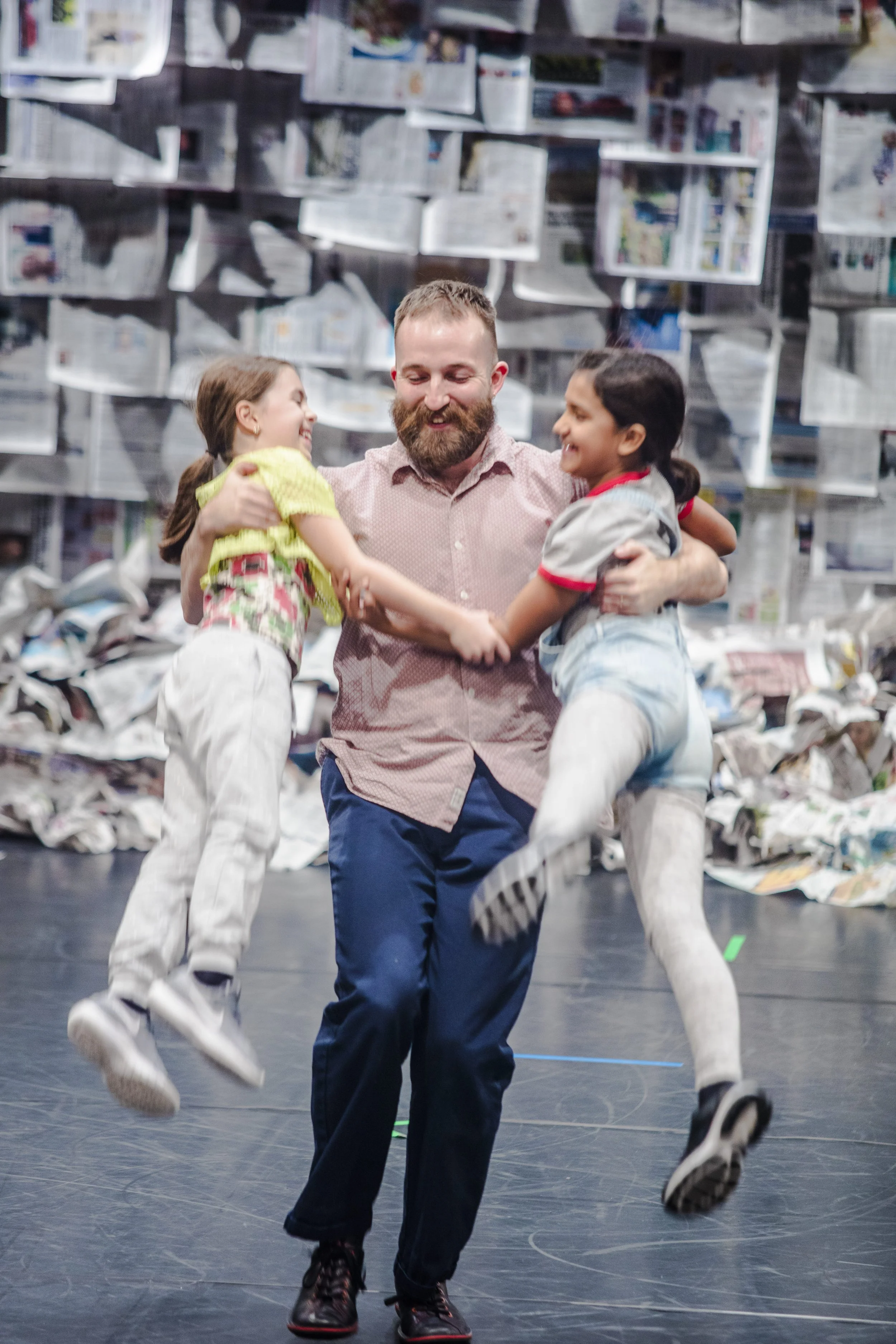
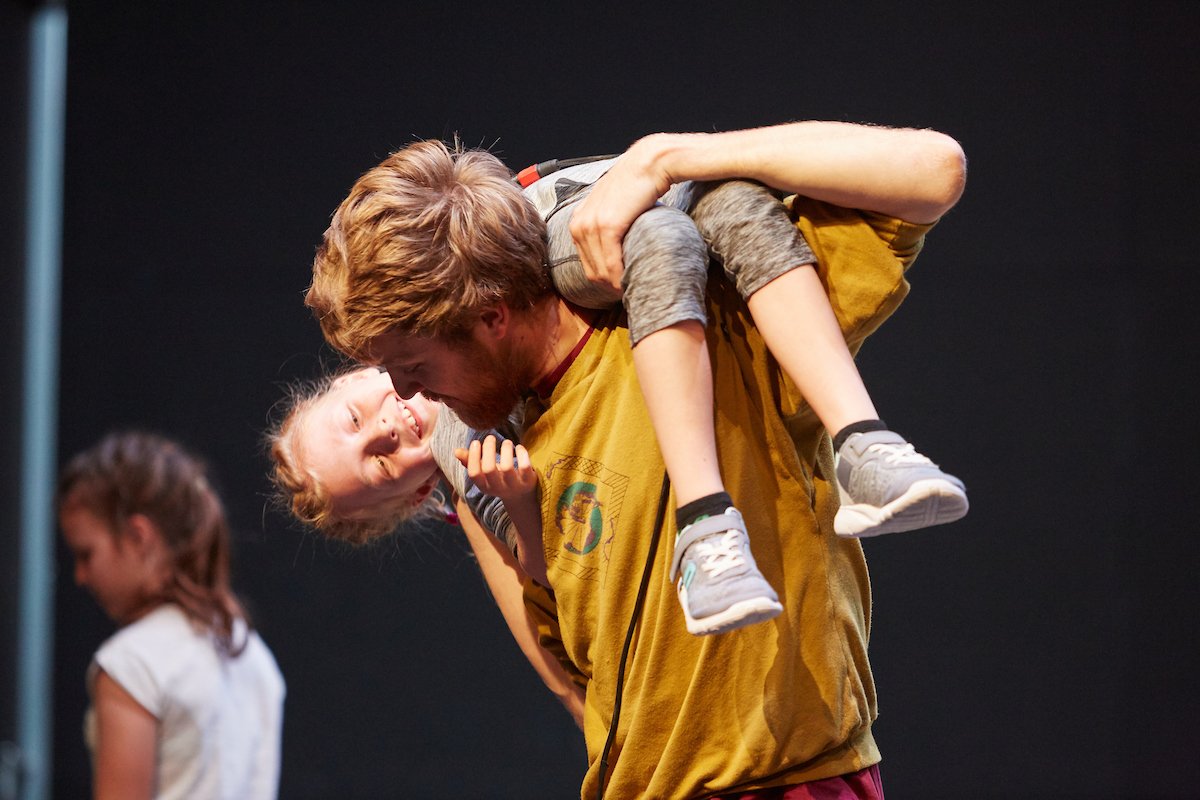
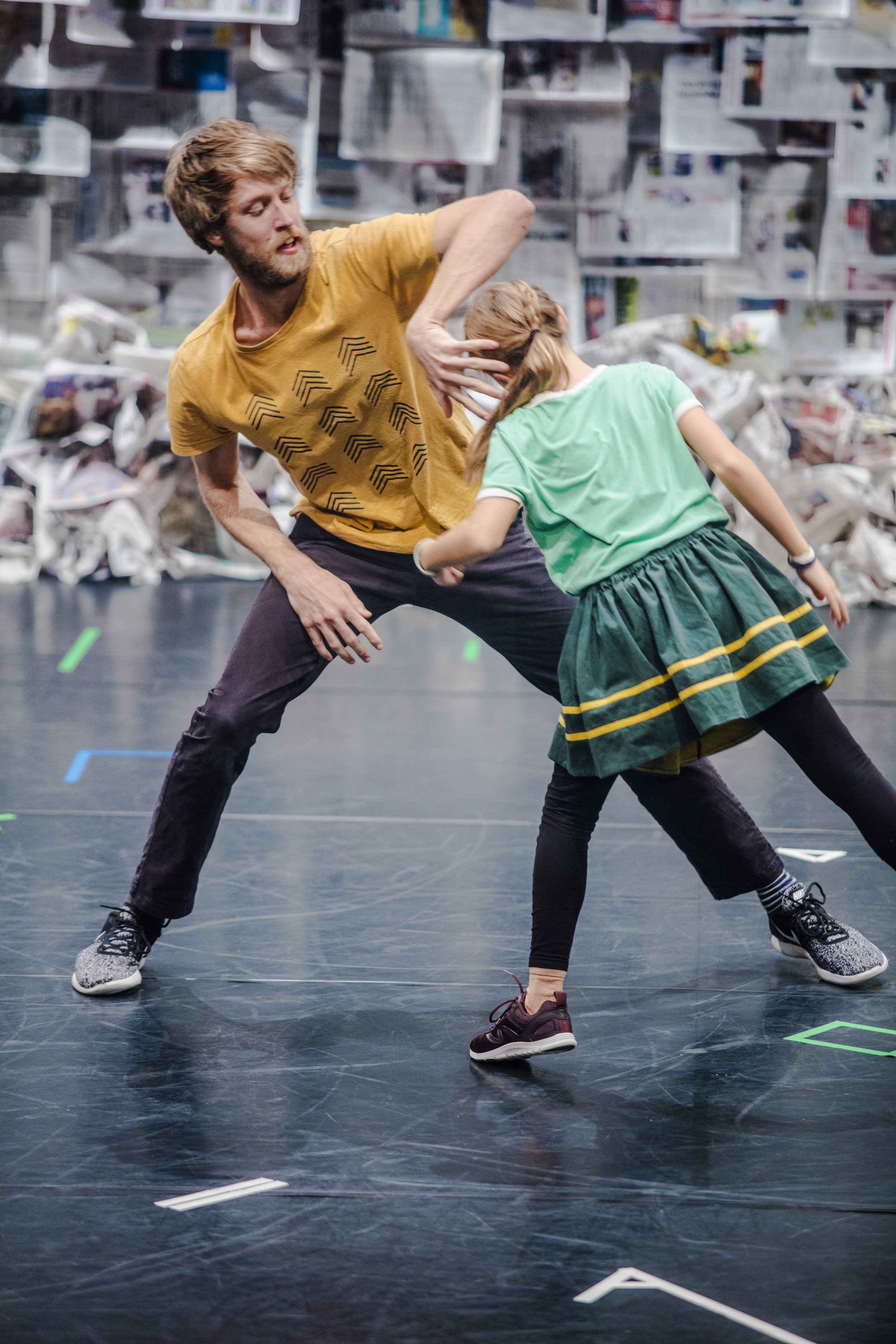
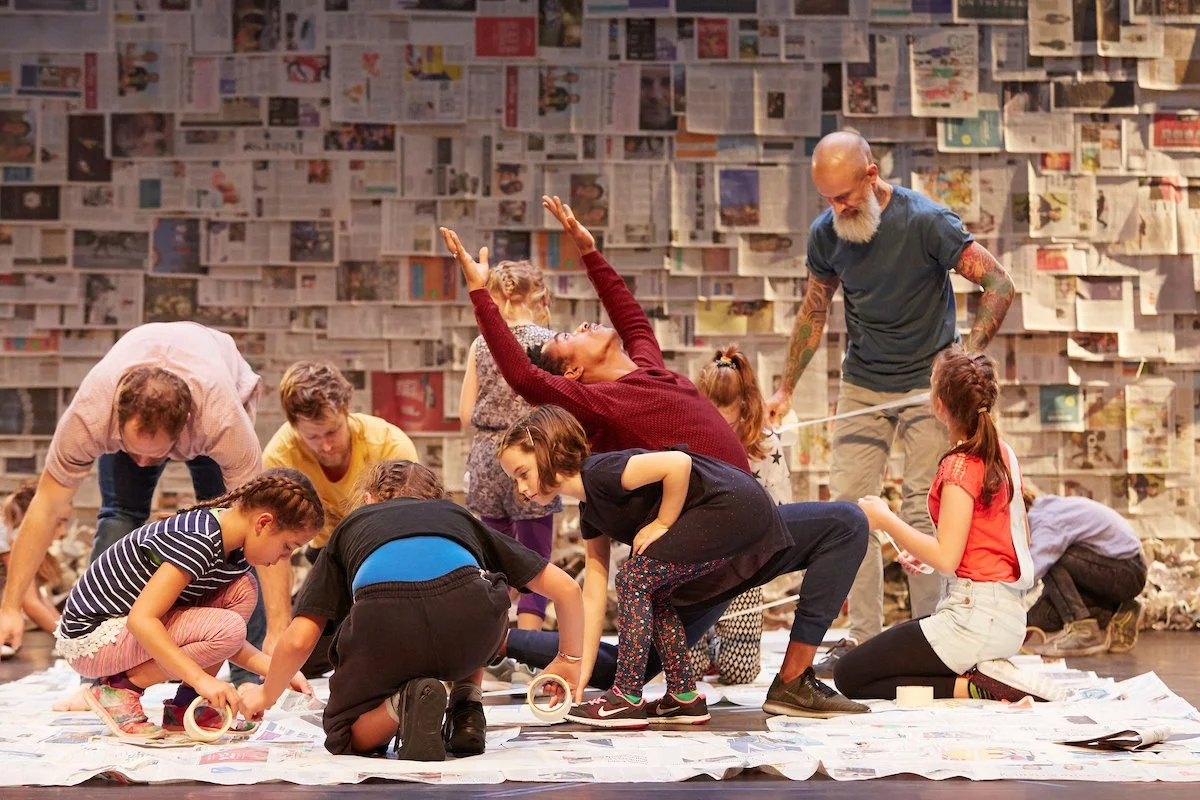
The ‘&’ or ‘+’suggest an even balance between all involved project partners, and so is useful in deepening understanding around Matarasso’s ideas on the readdressing of power in co-created projects. Fevered Sleep utilise the ‘&’ in the title of one of their most significant works; for example it is Men & Girls who are dancing; you can’t have one without the other.
Other examples permeate other non-arts areas of our lives; we eat Salt & Vinegar crisps while watching Ant & Dec; the ampersand symbolising that the words on either side of it carry equal weighting. This equality of value remains the case if there are multiple agents and therefore multiple ampersands also; the ampersand acts as a leveller in all cases that it is (correctly) used.
‘Creation &’ allows us to disband snobbish thinking of co-creation as the poor relation to the ‘excellence’ of creation that may happen on a theatre’s ‘main’ stage. ‘Creation &’ allows us to see co-creation as creation done better.
If ‘Creation &/+’ is synonymous with co-creation, and also means creation done better, then this may also require a reframing of theatre’s priorities. This is difficult in a landscape of minimal public funding and a cost-of-living crisis which is seeing audiences venturing out less often. In the face of arts cuts, it is outreach and participation departments that have seen the greatest ‘restructuring’ and redundancies; I have witnessed this myself working freelance across London producing theatre ecology. If it is to be widely accepted that co-creation is creation done better, then there needs to be a revaluing of its role (and those carrying it out) within performance organisations.
__
Extracts taken from a longer paper by Dan entitled Co-Creation – what exactly is it (and& what isn’t it) – full paper available upon request.